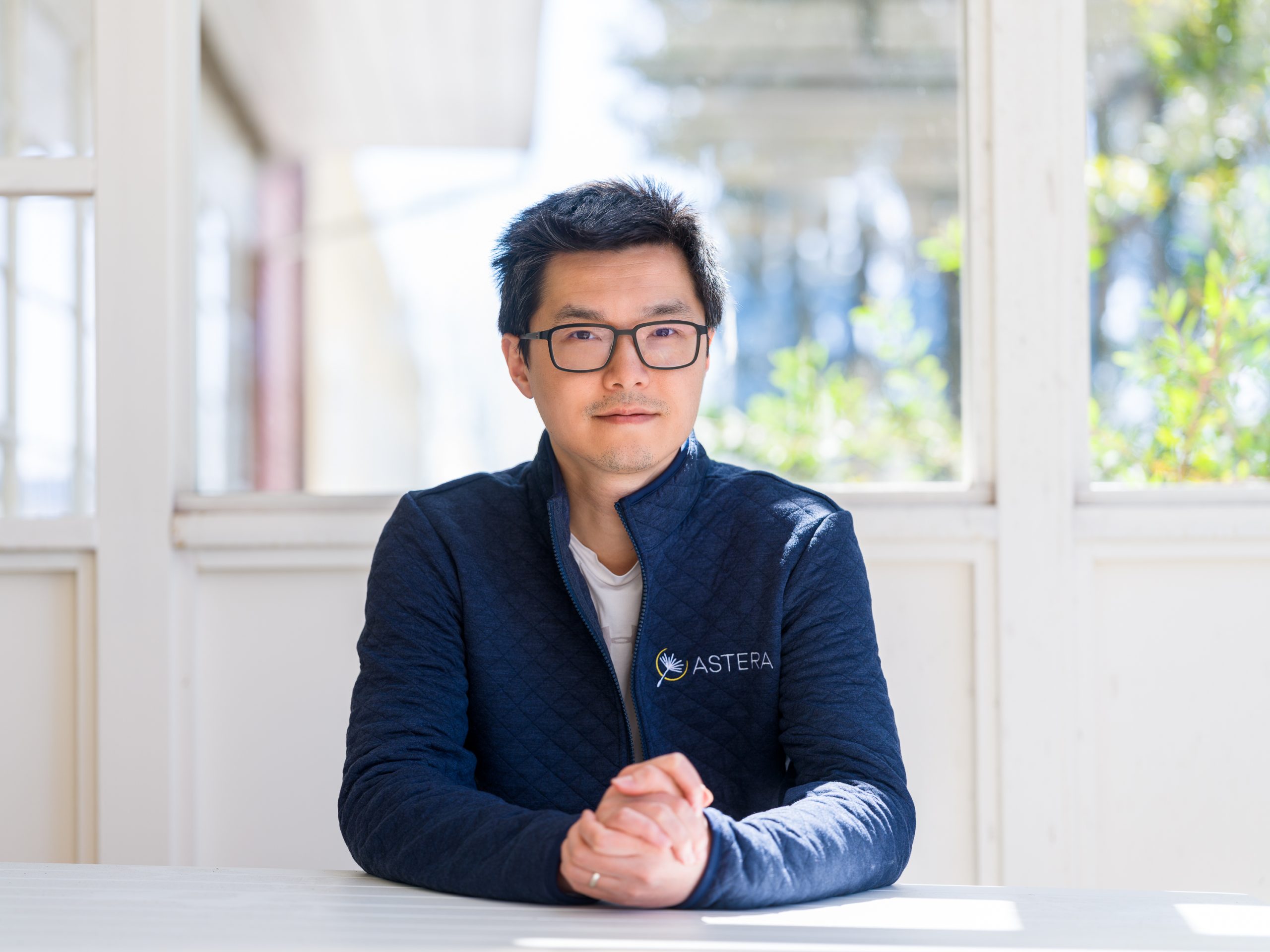
Chongxi works at the intersection of neuroscience, artificial intelligence (AI), and brain-machine interfaces (BMIs). Originally trained as an engineer, he transitioned to neuroscience to investigate the biological roots of intelligence. He earned his PhD through a joint program between the University of Cambridge and the Howard Hughes Medical Institute’s Janelia Research Campus. Returning to Janelia as a research scientist, Lai developed the first map-based hippocampal BMI enabling rats to navigate virtual spaces using neural activity alone, providing groundbreaking evidence of abstract spatial thought in animals. His research has revealed key parallels and distinctions between biological intelligence and modern AI algorithms, leading him to believe that AI architectures must evolve to be more like those of animals and humans. This evolution will lay the groundwork for AI and the brain to mutually enhance each other.