Today we are welcoming our third cohort of residents to Astera.
The residency supports scientists in creating public goods which we think might have an outsized benefit to the world, but are outside the scope of traditional funding sources.
Examples of such public goods from our first two cohorts include a fusion cost model that government personnel are using to make funding recommendations, a collation of glacial data that researchers are using to map the bedrock beneath Antarctica, and an uncertainty database that stratospheric aerosol injection practitioners are using to inform which experiments to prioritize.
This fall, seven new residents are joining us in person in Emeryville, each of whom is working on a high-impact problem in an area where Astera can offer strong support: bio, neuro, and, increasingly, hard tech. Residents will receive budgets of up to $2M to build things people will actually use—and build them openly.
Meet the Residents
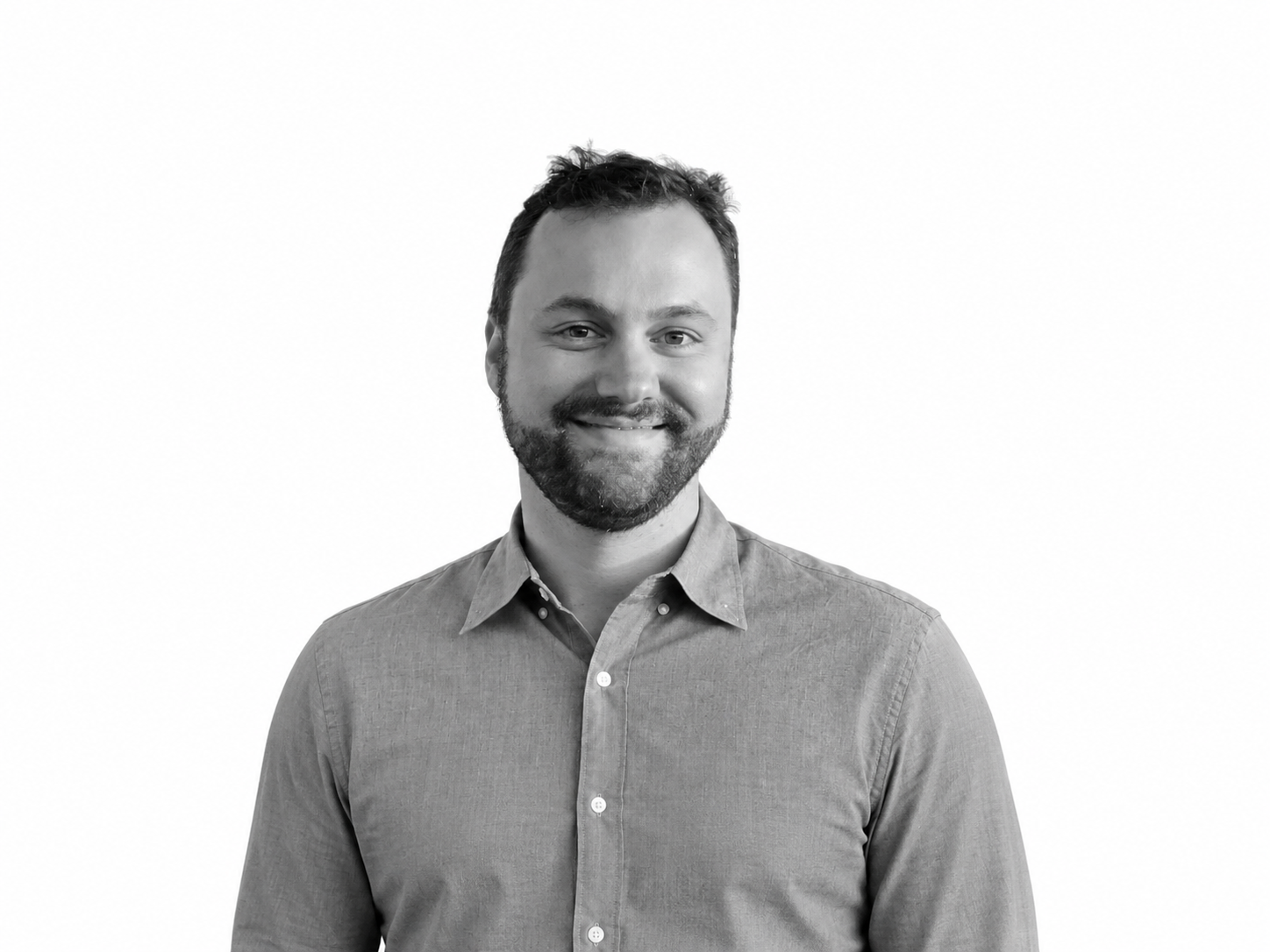
Chris Graves — Teaching AI the rules of biology
Biological AI models can decode the sequences of life, yet they remain disconnected from physical reality because they learn exclusively from static historical data. Chris is bridging this gap by building Polytope Bio, a reinforcement learning engine for biology which runs high-throughput laboratory experiments to inject direct, prospective feedback into frontier models. By coupling massive-scale biophysical measurements with the same post-training methods that transformed text generators into advanced problem-solving agents, Chris hopes to learn and teach AI fundamental rules of biology and physics.
Open roles: Principal AI Scientist, Senior/Staff AI Scientist, Senior Research Associate
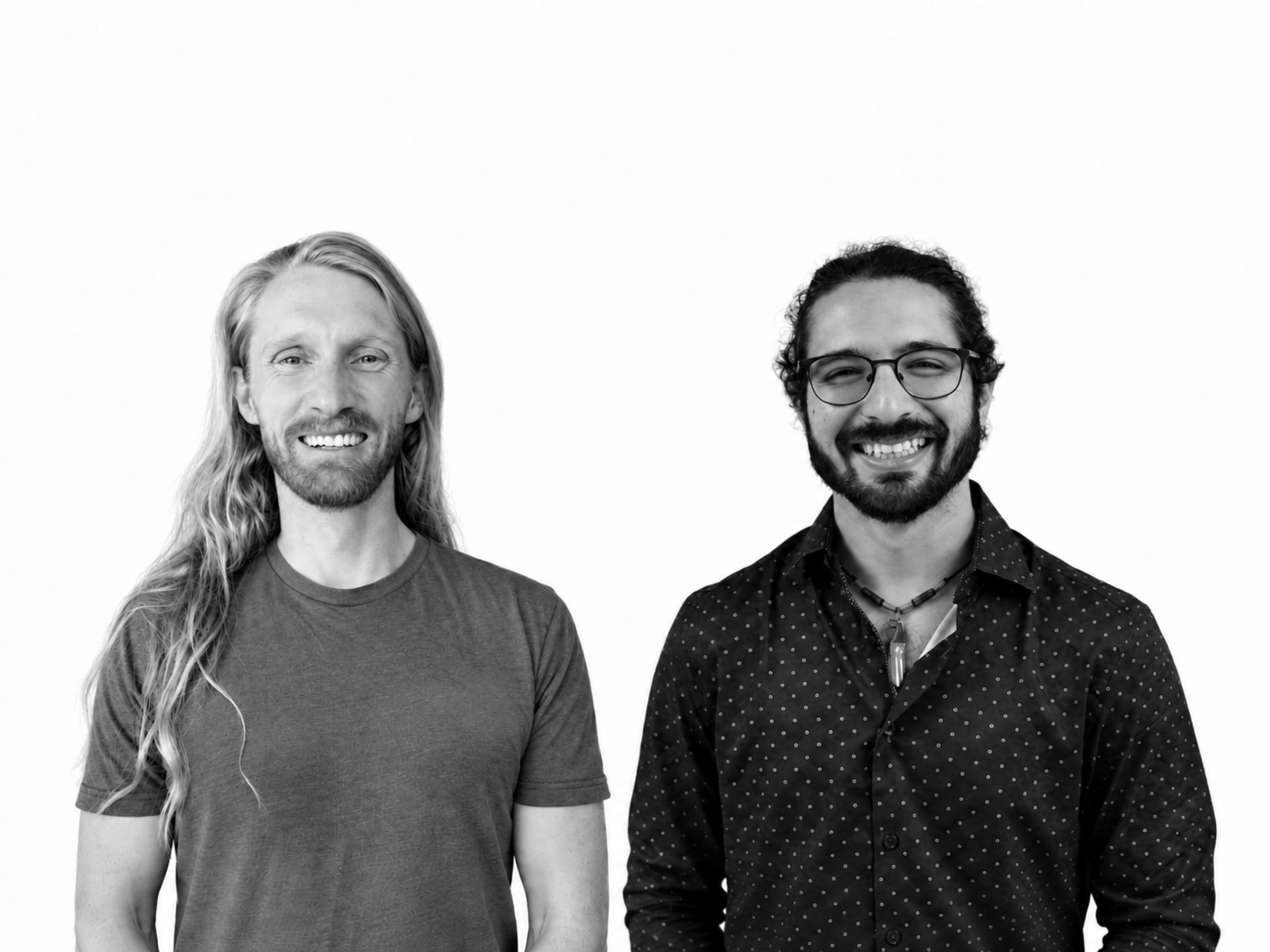
Colton Hicks and Jan Estrada Pabón (co-residents) — Atoms for Humanity
Atoms for Humanity is building open infrastructure for a new era of computational science, with the goal of enabling cleaner energy, biocompatible materials, better medicines, and the wholesale replacement of the toxic industrial chemistry of modern life. Colton and Jan plan to develop technologies for high-throughput molecular simulation and apply them to frontier research in sustainability, including automated reaction-network discovery, rational catalyst design, and biodegradable polymer synthesis. They intend to release all software, data, protocols, and scientific results openly so others can use, extend, and improve them.

Jeremy Barton — Bringing molecular machines under digital control
Jeremy is building computer-controlled nanorobotics: tiny mechanical devices on a silicon chip that can be moved and monitored electronically. His first system uses a charged DNA-origami plate that moves in response to applied voltage, and his end goal is to design a way to control molecular-scale machines individually rather than in groups. Jeremy plans to publish designs, protocols, and negative results with the evidence behind them in the public domain, motivated by an ethos that “the lessons that don’t flatter us are the ones the field needs most.”
Open roles: Computational Chemistry/Theory Consultant, Molecular Design & DNA Nanotechnology Lead, Nanoelectronics & Device-Physics Engineer, Precision Instrumentation Control & Estimation Consultant

Matt Akamatsu — Making science modular
Discourse Graphs is a system and open toolkit intended to help researchers break their work into its “minimum shareable units” and exchange these building blocks of knowledge long before traditional publication. At Astera, Matt is building Discourse Graphs into open infrastructure for evidence-based knowledge via 1) a protocol for portable, attributable research claims; 2) accessible plugins for the Obsidian note-taking app and AI coding agents; and 3) a demonstration of its utility in a biological modeling use case, grounding model choices and coordinating experimental requests. Schemas, protocol, plugins, and agent skills are all open source, with no lock-in to a single tool.
Open roles: Product Manager, Senior Product Engineer, Cybrarian, Computational Modeler (links forthcoming, reach out to matt@discoursegraphs.com if interested)
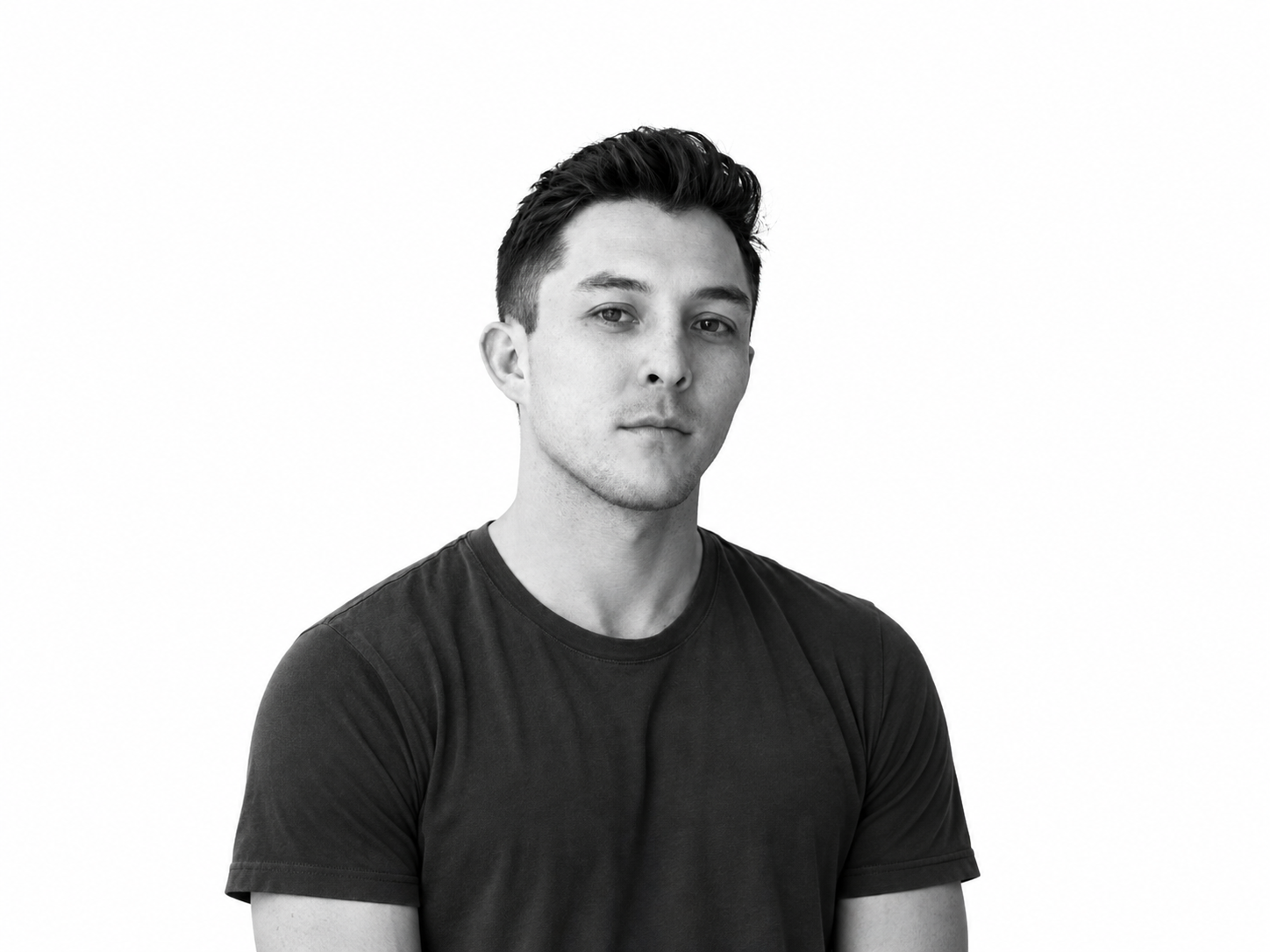
Max Shirokawa — High-resolution brain imaging at scale
Max is using techniques from precision spectroscopy to improve the spatial resolution of hemodynamic measurements in the brain. This approach aims to localize changes in blood flow and oxygenation with significantly higher precision than conventional non-invasive optical methods provide. The broader goal is to create tools for low-cost, high-resolution functional neuroimaging, enabling broader, more detailed, and more accessible studies of brain function. All data from this endeavor that is not under vendor restriction will be made publicly available with the goal of furthering the field of medical imaging.
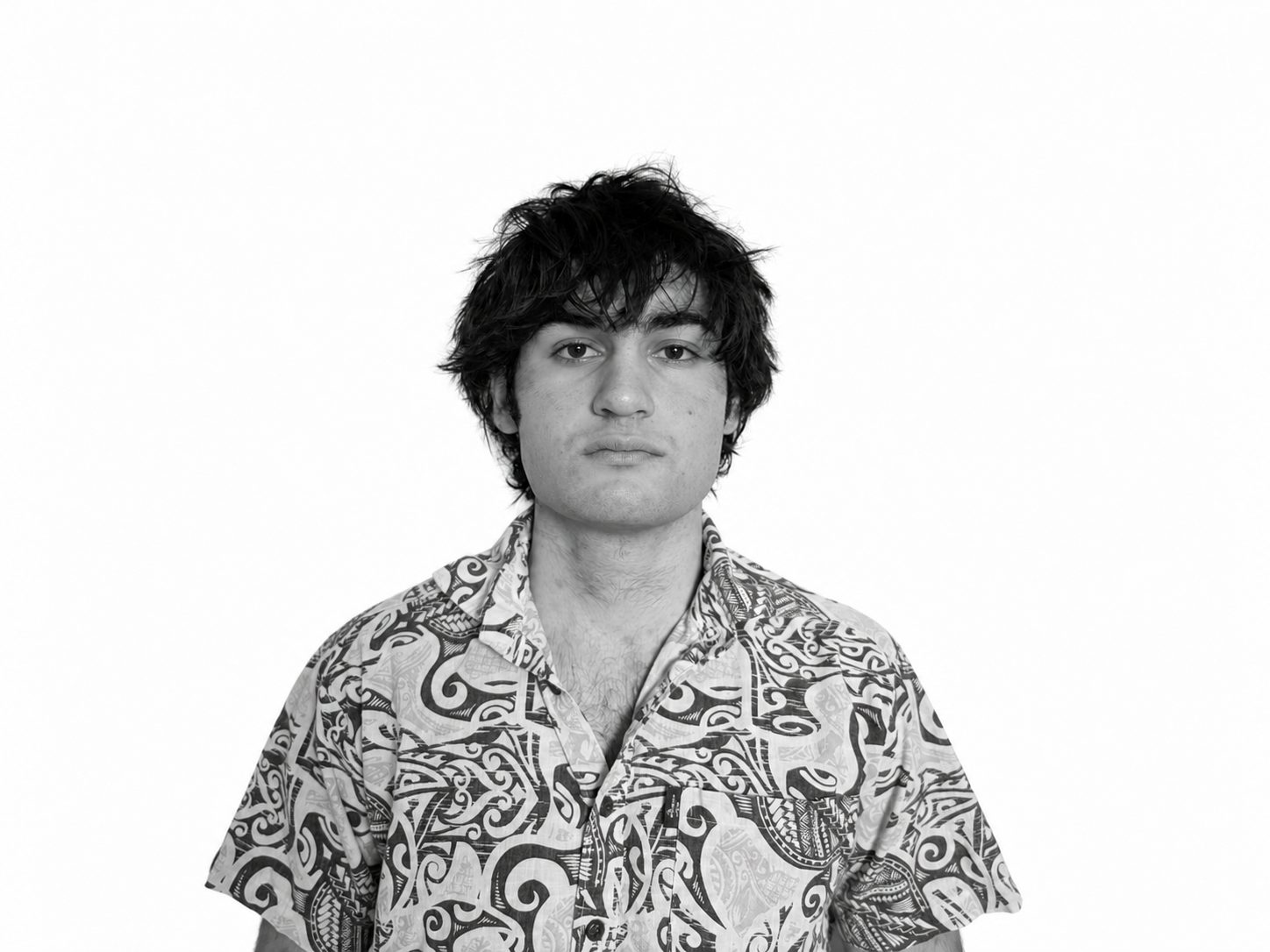
Miles Segal — Fast, cheap manufacturing for simple chips
Miles is creating a service where a customer sends in a simple chip design, and for a couple hundred dollars gets their own custom chips mailed back within days, minimum order of one. The first process will be similar to that of the late ’70s and early ’80s, with transistors a couple microns in size. Customers might be students taping out their first chip or engineers who want to collapse a board of discrete parts into a single chip to save space or reduce the capacitance of traces, not people who need cutting-edge speed. In the coming months, he will qualify each process module at the Berkeley NanoLab—growing oxides, doping silicon, patterning—and then chain them into a full production flow, optimizing for simplicity and speed. Along the way, Miles will livestream lab work, document process modules, open-source hardware, and publish full process flows.