Today, alongside the launch of Radial, we are opening an essay competition that I’ve been ruminating on for some time. Namely, inviting active scientists from any sector to share concrete research challenges that can inform our future work at Astera. We’re interested in your hypotheses about what broad structural or systemic issues contribute to the bottlenecks you experience in your own science. It’s important to me that we hear more from active scientists on the ground.
Many of our scientific systems and institutions are no longer fit for purpose. How we fund work, share results, build teams, and connect science to other disciplines or sectors has long been in need of experimentation. This is no longer a controversial statement.
We are living through a historical inflection point that demands change. One force is technological, happening at unprecedented scale and speed. AI is making it harder to ignore systemic and infrastructural gaps, while also changing what solutions are possible. This is an incredible forcing function we should leverage to update our scientific practices.
At the same time, it’s become harder to talk constructively about change in light of political differences and more recent budgetary contractions. But it’s more important than ever to openly debate long-term reform now. And many disagreements are unlikely to be resolved through debate in the absence of real life testing.
We’re looking to you, scientists
The field of metascience, i.e. the science of science, is often driven today by non-scientists: policy experts, economists, sociologists, psychologists, historians, politicians. Their work can be very useful, but practicing scientists should be more deeply involved in shaping the systems they depend on.
Scientists know first-hand what is broken. When scientists themselves have led metascience experiments, the outcomes have often been distinctive and more durable: new institutes structured around questions; focused research organizations built to unlock specific field-level bottlenecks; community infrastructure launched because there was simply no other way to make it happen; critical resources that can’t wait for permission.
We want to help get more scientists in the driver’s seat of this conversation and source more hypotheses that can be tested for systemic improvements. We want all of it to happen in the open to stimulate more useful public debate about science. And we hope that will help the most compelling ideas get real world implementation through support from us or others.
Examples of what we’re looking for
Perhaps an easier way to explain what we’re looking for is to highlight a few historical examples that we would have loved to fund early iteration for. Here are a few:
- The Protein Data Bank
A few crystallographers were frustrated that hard-won structural data was disappearing into individual labs with no way to share it. They bootstrapped a community archive in 1971 with just seven structures and no formal institutional mandate. We would have loved to award an essay describing this gap and fund the early bootstrapping required to prototype the foundational data infrastructure for structural biology and drug discovery worldwide.
- arXiv
The scientist Paul Ginsparg noticed that his colleagues were emailing preprints to each other and built a centralized server in 1991 to do it better. We would have loved to award an essay describing this gap and fund the initial server required to test the utility of what became today’s default open publishing infrastructure for physics, math, and computer science. It has since become a general model for the broader open-access movement.
- Focused Research Organizations
Two scientists, Adam Marblestone and Sam Rodriques, were dead set on trying to generate more connectomics data as a critical public resource for the neuroscience community. This was a defined roadmap that required a start-up-like team, which lacked any dedicated funding mechanism. So they created one by inventing FROs, and it has become an enabling structure for many other projects with similar properties. We would have loved to fund early iterations of FRO projects (and we did through the first FRO: the longevity-focused Rejuvenome!).
- Arcadia Science
This one’s an experiment I’m directly involved in that’s still in a work-in-progress. Arcadia is a for-profit research company co-founded in 2020 by myself and another scientist, Prachee Avasthi. It was motivated by trying to reimagine how we could more effectively traverse a wider swath of biology for useful discovery than was possible in our academic labs. We asked how we could use data to develop organism-agnostic tools, compound broader lessons by sharing more of our work in real time, and open up new funding and sustainability strategies. It would be exciting to fund smaller scale pilots that could inform experiments that lead to new institutes, which can and should be less monolithic than what dominates today.
I hope more scientists will join us in this dialogue, which is why I’ve asked that all submissions are public. I know it can sometimes be uncomfortable to put your neck out in this way, but positive change is more likely if we normalize open debate. We should approach all disagreements according to the scientific principles we were trained on. Data, not drama: let’s do the experiment.
See more details and apply here by May 1st.
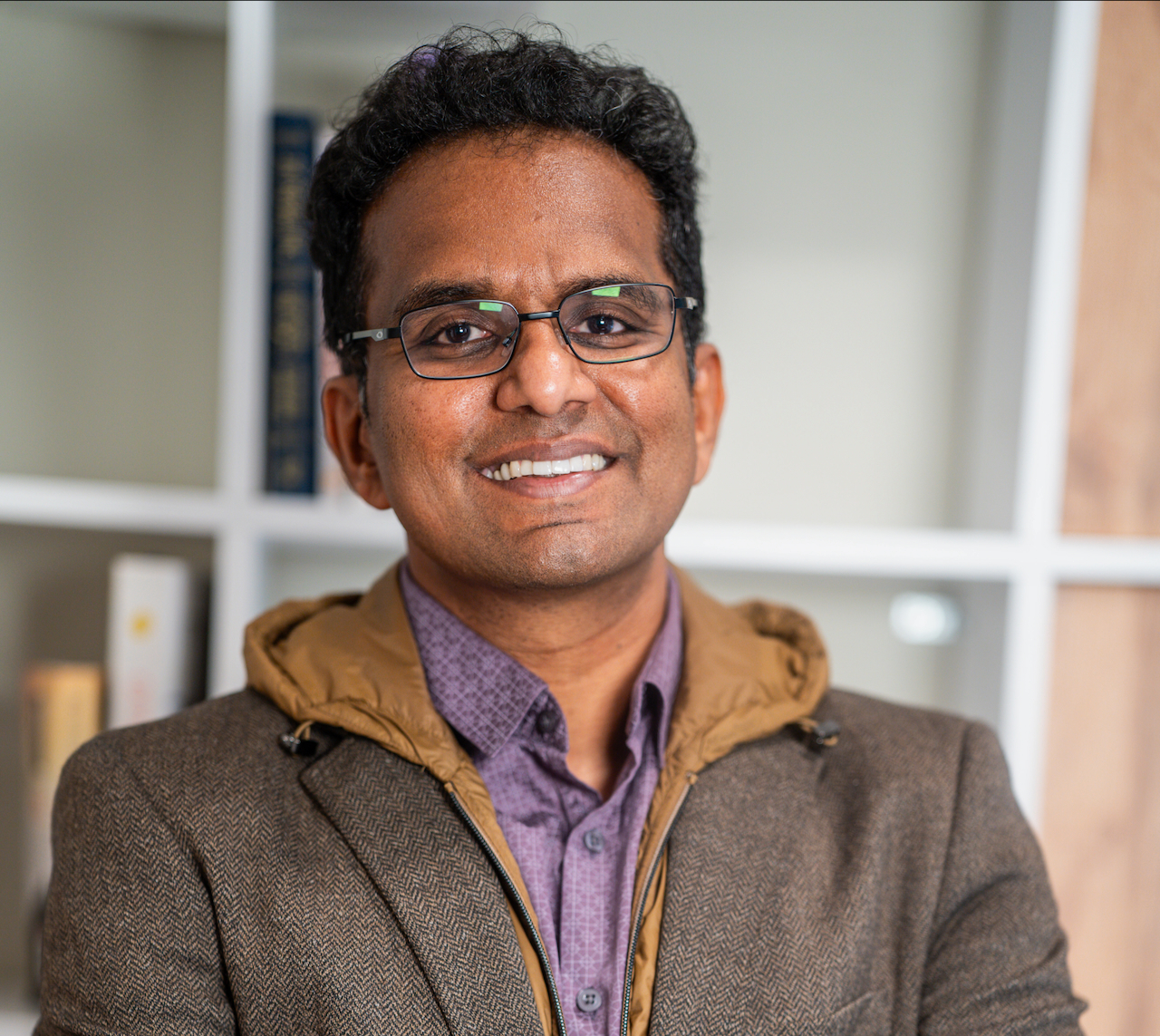
Dileep George is joining Astera as Head of AI, leading our AGI research division. Working alongside our Chief Scientist Doris Tsao, he and the team will explore novel, brain-inspired computational architectures to accelerate the development of safe, efficient and aligned AGI. Astera will continue to support this effort with over $1 billion in committed resources over the coming decade.
Dileep joins from Google DeepMind, where he worked on frontier AGI research on agents with memory, planning and structure learning. Throughout his career, Dileep has shown that drawing on the computational principles of biological intelligence opens up novel, high-impact pathways for AGI research. At Vicarious, he scaled algorithms for visual processing and reasoning, gaining worldwide attention for breaking text-based CAPTCHAs with human-like data efficiency. He also pioneered AI-powered robotics as a service for industrial applications. At Numenta, he co-developed Hierarchical Temporal Memory, the theoretical framework modeling how the neocortex learns and reasons.
Dileep joins Astera alongside Miguel Lázaro-Gredilla, previously a Research Scientist at Google DeepMind. As Research Lead, Miguel will spearhead the development of world models that utilize hierarchical latent variables for long-horizon planning and robust reasoning.
Neuro-inspired AGI research is underexplored relative to its potential
The overwhelming majority of AI research today pursues a dominant paradigm: scaling transformer architectures trained on massive datasets. This approach has produced remarkable results and will likely continue to do so, but concentration around any single research direction leaves promising alternatives underexplored.
The principles of biological intelligence likely offer novel approaches to AI engineering at scale that aren’t captured in existing research paradigms. This could help address two sets of challenges that remain on the path to AGI:
1. Current AI systems lack fundamental capabilities that biological intelligence demonstrates. They can’t handle long-range planning that requires maintaining coherent goals across complex action sequences, or learn continuously from experience the way humans do. Massive datasets are still required for tasks where humans need only a handful of examples, and they continue to fail to generalize robustly to situations that differ meaningfully from their training data.
2. The safety and alignment challenges posed by current architectures remain unsolved, even as we continue to scale them. We don’t yet know how to build systems whose goals stay aligned with human values as circumstances change in ways they weren’t trained for. We can’t reliably interpret why models make the decisions they do, which makes it difficult to predict or prevent failures.
Commercial investments currently concentrate on scaling transformers, which risks trapping the field in local minima: optimizing a single approach while leaving vast parts of the solution space unexplored. Biological intelligence offers computational principles that current architectures don’t capture, opening pathways to systems that are more efficient and more naturally aligned with how humans think and perceive.
Bridging neuroscience and AI engineering
Efforts to map biological intelligence — how the brain constructs perception, cognition, and intelligence itself — remain disconnected from the engineering of AI systems. Neuroscience and AI research proceed largely in parallel with limited integration.
Providing decade-scale commitment and computational resources, Astera is running two research programs in tight integration:
- Decoding the brain’s computational architecture: Led by Doris Tsao, Chief Scientist for Astera Neuro, our Neuro division is working to decode the fundamental mechanisms through which the brain constructs intelligence. These capabilities represent some of the hardest unsolved problems in AI, and the brain solves them with remarkable efficiency.
- Building AI systems that learn like humans do: Now led by Dileep, our AGI division tackles the research and engineering challenges of building systems that exhibit these capabilities: how intelligent agents adapt continuously to changing environments, correctly attribute rewards to actions in scenarios with sparse feedback, and build hierarchical memory systems that enable efficient retrieval and generalization.
Dileep and his team will work closely with Doris, whose work has revealed some of the most detailed accounts of how neural activity produces perception to date. Together, they hope to create an iterative research program where neuroscience discoveries inform engineering approaches, and engineering challenges surface new neuroscience questions. Going forward, we hope to see others more tightly link basic neuroscience and applied AI work.
This work will be conducted in line with Astera’s broader commitment to open science. We believe progress on AGI is better served by distributed work across the field than by locking insights away.
The team this requires
We’re now building a team whose capabilities span deep theoretical investigation of biological intelligence, large-scale ML systems engineering, and experimental validation of novel architectures.
We’re actively looking for researchers and engineers with strong machine learning backgrounds and deep curiosity about neuroscience: people who want to investigate what’s missing from current approaches and build something better.
If this vision excites you — whether you’re a researcher, engineer, or someone who wants to work on foundational questions about intelligence — we want to hear from you.
There’s always a need for more ideas and talent in this area. If you have an interesting, underexplored angle you’d like to chase down, we’ve also recently opened a call for applications to the Neuroscience and Artificial Intelligence tracks of Astera’s residency program. Our residency is meant to support talented innovators seeding early-stage projects, especially those that might sit outside of what’s conventionally pursued. We’re building a community here that could be a great hub for this type of exploration. We hope you will consider applying.
Important science and technology development often falls through the cracks of public funding and private markets, i.e. work that may be high impact but risky, requires long timelines, or involves unpopular ideas. These areas are ripe for philanthropy. And as AI ushers civilization toward an event horizon, we need more people working on the hardest problems with many shots on goal.
Over the last five years at Astera, we’ve tested different approaches to funding and building ambitious technical work. We’ve explored a lot of directions to figure out where we think we can have the most impact. We’re now sharpening our focus on two areas: intelligence—both biological and artificial—and AI-enabled life sciences. Progress in either could help positively shape humanity’s future in critical ways.
Both areas benefit from more philanthropic support, as they involve open questions, unexplored territory, and long timelines. The right experiments aren’t always obvious, and success might look nothing like expected. We’ve also chosen them because we personally know them well. Jed is an engineer focused on neuroscience and intelligence foundations; Seemay is a biologist experimenting with how research gets done. We engage directly with technical details, which allows us to embrace more uncertainty.
Structure and flexibility for technical work
Creating an organizational structure that sustains this work over decades requires more than knowing where to focus. We’ve found the most effective technical efforts function like startups: flexible, nimble, guided by leaders with real authority to make technical calls.
Like start-ups, they also need to be able deploy resources in a much more flexible way than is typical of most philanthropy. In addition to giving out grants, we find that work—especially of the more opinionated type—benefits from a wide range of tactical strategies, including hiring, contracts, competitions, and for-profit investments.
Moving forward, we’re intentionally separating Astera’s foundation from the technical divisions it supports. The foundation handles shared operational and administrative infrastructure to enable technical teams that run semi-independently like start-ups. Each has a leader with deep expertise and CEO-like authority, supported by flexible, long-term capital and operational scaffolding through the foundation. These include:
Neuro & AGI divisions that explore how biological systems compute, how that relates to artificial systems, and what approaches might lead toward general intelligence. We think there’s a wider space of possible architectures than currently explored, and neuroscience offers crucial insights. This builds on work by our current researchers and fellows.
A life sciences division, where we’re rethinking how science gets done in the age of AI. Today’s scientific approaches were largely designed for a different era. AI has given new urgency to the need to reimagine our practices, motivating us to expand efforts around funding, structuring, and publishing approaches. We believe that the best way to innovate on this front is by iterating alongside active, ambitious research efforts. For instance, by embedding initiatives like The Diffuse Project with open science experimentation.
The right leaders
Our new start-up-like approach only works if there are the right leaders in place. We look for people comfortable with uncertainty, technical enough to engage directly, with a builder mentality to create what’s needed. Critically, we’ve sought out people whose primary experience is outside philanthropy from industry, startups, or research environments.
We’ve already been fortunate to attract such people. In the coming weeks, we’re excited to share about several exciting new folks who will be joining Astera to help lead new divisions in intelligence and life sciences. In parallel, we’re also refocusing the residency program to better prioritize people and ideas where we have long-term commitment and in-house expertise.
We’re still learning
Astera has always been an experiment in doing philanthropy differently. This structure is another iteration. We have strong convictions but expect to keep adapting.
We’re eager to connect with people and organizations thinking about new approaches to funding or doing science. Or if you’re working on similar problems in intelligence or life sciences, we’d like to hear from you.
More at astera.org, or reach out at info@astera.org.

The Astera Institute is excited to launch a major new neuroscience research effort led by Dr. Doris Tsao, who will be joining as Chief Scientist for Astera Neuro. We seek to understand one of the deepest mysteries of science: how the brain produces conscious experience, cognition, and intelligent behavior. Astera will support this effort with $600M+ over the next decade.
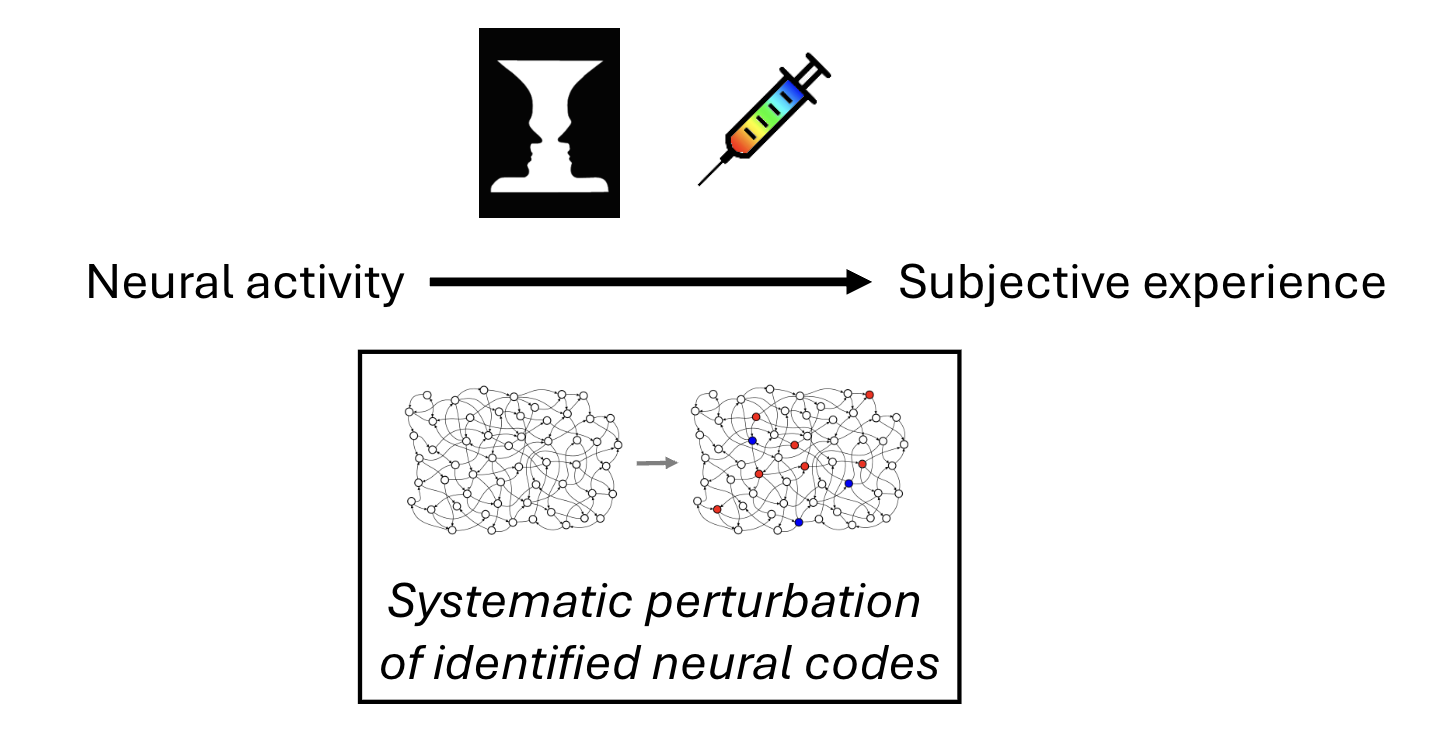
Doris has spent her career developing one of the most detailed accounts of how neural activity gives rise to perception through work on the neural code and circuitry underlying face and object recognition. This work shows how a complex visual percept, object identity, is represented by a principled geometric code. Her recent work explores a new computational framework for how symbols first arise in the brain through specialized circuits for object tracking.
What are we doing?
Across every moment of our lives, the brain transforms raw sensory input into a coherent world filled with objects, relationships, meanings, and a sense of self. Yet we still do not understand the fundamental computational principles the brain uses to construct this internal world. Uncovering these principles would transform both neuroscience and technology–revealing the mechanism responsible for generating conscious experience, and at the same time, providing a new framework for AGI.
At the heart of our new effort is the conviction that true understanding of the brain’s internal model means being able to manipulate it in a controlled way. Towards this goal, we are betting that the brain’s representational architecture is compositional, built from elemental units and a neural syntax for combining them. By identifying these fundamental units and the rules that create and link them, we can uncover the brain’s infinitely generative internal code. This, in turn, would provide a principled way to construct or modify internal representations, much as knowing the words and grammar of a language allows the creation of an unlimited range of sentences and meanings. Such capability would mark a profound advance in understanding.
The compositional framework remains a hypothesis, but pursuing it opens a path for fundamentally new kinds of experiments. The first step will be to measure neural activity through large-scale recordings across a rich variety of stimuli and behaviors, allowing us to characterize the underlying neural code. We will then attempt to write in hypothesized neural codes and thereby construct or alter internal representations according to proposed compositional rules. In this way, we can move neuroscience beyond passive observation and towards active, engineering-style tests of a model. Whether or not our hypothesis proves fully correct, this approach will accelerate our understanding of how the brain’s internal model is built.
A field ready for a paradigm shift
The ability to precisely map and modify the brain’s internal model may sound like a lofty goal and indeed, for decades, progress in neuroscience was limited by technology. But that barrier has largely fallen, and we believe now is the right time for our moonshot. We now have the tools to interrogate the brain at unprecedented resolution and scale.
What is needed next is a coordinated engineering effort to fully harness these tools. Advances in large-scale neural recording, targeted stimulation, chronic high-density interfaces, and computational modeling have created a unique moment where a focused, non-clinical, scientifically driven program can push far beyond what academic labs or clinically oriented companies alone can achieve. We intend to fill this essential gap between traditional basic research and clinically driven neurotechnology.
Progress towards our goals opens major branches of independent inquiry:
- Inspiring new approaches to building and steering AI systems: Understanding the brain’s computational strategies—the architectural principles and representations—could reveal fundamentally different approaches to building AI systems that are orders of magnitude more efficient and naturally aligned with human cognition. Industry pursues only a narrow slice of what’s possible. We believe reverse-engineering the only generalized intelligence in existence could open up new pathways to general artificial intelligence.
- Deepening our fundamental understanding of biological intelligence and conscious experience: The brain is one of the universe’s wonders. What is the structure of neural activity required for a specific experience? What are the primitives of perception and thought? How does the brain represent itself? How do disruptions in the brain manifest as psychiatric and neurological conditions? We seek to develop a theory of conscious experience that successfully predicts the experiences that emerge when we write specific patterns to the brain.
- Opening pathways to revolutionary neural interventions: Today’s brain-machine interfaces work at the periphery, translating motor commands or delivering basic sensory inputs. But understanding deeper computational structures could enable interfaces that engage with the brain’s core representational system. This could have major therapeutic applications, for example, a visual prosthesis for the blind that restores vivid, naturalistic visual experience, not just pixelated sight.
Why Astera is pursuing this work
Since the founding of the Astera Institute in 2020, Obelisk, Astera’s AGI research program, has pursued the hypothesis that a better understanding of how intelligence arises in natural systems could reveal computational principles missing from current AI paradigms. The brain achieves flexible, general intelligence with roughly 20 watts of power. It constructs everything we experience—every object we see, every thought, every feeling—from patterns of electrical activity across ~100 billion neurons. It learns continuously from sparse data. It plans, imagines, and constructs a coherent model of the world. We don’t yet understand how.
Astera Neuro brings deep experimental neuroscience into direct dialogue with this work. We hope to create a tight iterative loop across teams where experimental findings shape AI architecture research, and computational questions drive new lines of neuroscientific inquiry.
We believe Doris has developed what may be the most detailed empirical account of how neural activity produces perception so far. The potential of her work requires long-term investment. We are excited to work with Doris to test her model and systematically explore how the brain constructs reality in direct collaboration with Obelisk engineers and researchers exploring alternative approaches to AGI. The iteration between these basic and applied research efforts will surface things neither could find separately.
Research will be shared exclusively outside traditional journals as a forcing function for developing faster, more open, and more useful outputs that represent the full scientific process. As we’ve seen with other efforts, we believe such an approach will enable greater alignment of scientific goals and values across the team. We will also be iterating on ways to make these outputs more compatible with AI-driven discovery.
Building the team
We are excited for the opportunity to build this moonshot. We have a chance to experiment with how science can be done by designing our team and approaches in a purposeful way. This work requires capabilities that don’t typically collaborate as part of a cohesive iterative circuit at an institutional scale: neuroscientists who can design experiments on complex natural behaviors, ML engineers who can build models from massive neural datasets, optical engineers working on holographic optogenetics and advanced imaging, systems builders who can create scalable experimental infrastructure, and metascience innovators dedicated to accelerating all aspects of this work.
Doris brings decades of foundational work on neural coding. For her next chapter with Astera, she is joined by an exceptional founding team (soon to be announced) whose contributions span large-scale reading and writing to neural circuits, clarifying the neural basis for cognition, and understanding brain function during naturalistic behavior.
We are now looking for a Chief Operating Officer who will work in direct partnership with Jed and Doris to transform their scientific vision into operational reality. They will be orchestrating collaboration across disciplines, building systems that support both rigor and speed, and helping create an organization capable of tackling problems at this scale.
What do standardized, low-cost space telescopes, ultra-high-performance bio-inspired materials, and fusion energy that costs under 1¢/kWh all have in common? For one, each of these domains holds incredible potential to further human flourishing. And secondly, each represents a new idea that will be pursued over the next year at our Emeryville, CA campus.
We’re delighted to introduce three new residents to our Residency Program — a program in which residents receive a salary, a budget of up to $2M for team and expenses, compute access, lab space, and an exceptional community of talented like-minded peers, mentors, and investors.
Read on to learn more about our three new ambitious entrepreneurs, along with a brief overview of their work. In the coming months, we’ll be sharing more detailed profiles of the residents and their projects.
If you’re interested in applying to be a future resident, you can reach us at residency@astera.org, or subscribe here to receive our next call for applications, coming in early 2026.

Aaron Tohuvavohu – Cosmic Frontier Labs
Dr. Aaron Tohuvavohu is a physicist, astronomer, and explorer designing the next generation of space telescopes. He has designed missions and experiments across the electromagnetic and multi-messenger spectrum, with expertise spanning black holes, relativistic explosions, UV and X-ray instrumentation, and space systems engineering. Most recently, he led an 11-month sprint from clean sheet to launch of the highest-performance UV detector in orbit, and drove major upgrades to NASA’s Swift Observatory, significantly expanding its scientific reach, impact, and efficiency.
Project description
Cosmic Frontier Labs is building a new class of scientific tools to accelerate discovery and exploration of the Universe. We are expanding humanity’s cosmic horizons by scaling up the number and capability of orbital observatories, bringing Hubble-quality to fleets of telescopes rather than single flagships. By redesigning precision instruments for manufacturability and iteration, the team is moving space astronomy from an era of scarcity to one of abundance, continuous innovation, and exponential discovery.
These telescopes will form a platform for science that evolves as quickly as the questions we ask. We will build the platform iteratively, to continuously integrate new detectors, optics, and algorithms on successive units. In this near future, exploring the cosmos won’t depend on waiting decades for the next great observatory, but on a living, growing constellation of instruments; each a window into the expanding frontier of human understanding.
Open roles: Contact info@cosmicfrontier.org if you’re interested in the mission and want to explore ways to contribute!
Damien Scott – 1cFE
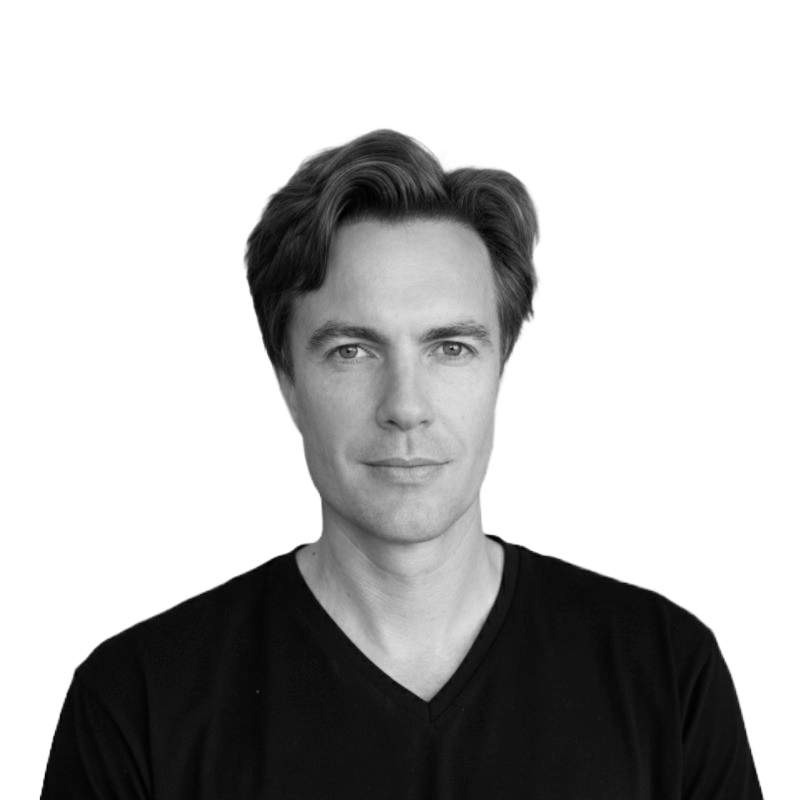
Damien Scott is a technologist and founder. Homeschooled in Botswana and shaped by science fiction, his north star is to build energy systems that move humanity up the Kardashev scale toward post-scarcity. His first entrepreneurial venture was founding Marain, an electric and autonomous-vehicle simulation and optimization company that was acquired by General Motors in 2022. His career has spanned energy and mobility systems across startups and large companies, including the extreme engineering environment of Formula 1 at Williams F1. Beyond racing, he worked on a wide variety of initiatives, from adapting uranium-enrichment centrifuge concepts, to electromechanical flywheel energy storage, to hybrid hypercars and automated mining systems. He has a BSc in physics from the University of Sydney and an MS and MBA from Stanford University.
Project description
Everything humanity values depends on abundant, inexpensive energy. Most usable energy across the universe is fusion…with extra steps. The last decade has brought major public and private progress towards cutting out those steps, to directly generate electricity from fusion, and bring us closer to abundant, low-cost energy. The 1cFE initiative builds on this progress to set our ambitions higher: could the cost of fusion reach below-1¢/kWh LCOE within the next ten years? We map cost-first corridors to sub-cent power, integrating physics, engineering, and manufacturing. We will also publish open analyses, and test how emerging AI capabilities can radically improve and compress cycles across science, first-of-a-kind engineering, and deployment. Our outputs are intended to steer R&D, capital allocation, and policy toward the fastest corridors to sub-cent fusion energy, thereby pushing humanity up the Kardashev scale and upgrading our civilization.
Open roles: Theoretical Physicist and Systems Engineer

Tim McGee – Impossible Fibers
Tim McGee is a biologist and materials innovator developing new ways for proteins and composites to self-assemble into high-performance materials. Trained in Biomolecular Science and Engineering at UCSB, his mission is to translate biology into design and manufacturing. As an early pioneer of bio-inspired design at Biomimicry 3.8, IDEO, and later his own firm, LikoLab, he has worked with global teams on challenges ranging from advanced coatings for food, to novel textile manufacturing, to the biophilic design of urban environments. Most recently, McGee founded Impossible Fibers at Speculative Technologies, leading a DARPA-funded collaboration to predict fiber properties directly from amino acid sequences. His work integrates biology, design, and engineering to create new manufacturing capabilities where materials are assembled from the nanoscale to the macroscale.
Project description
The Impossible Fibers Lab is building a new manufacturing environment that enables proteins to self-assemble into exceptional materials; fibers and composites with electrical, optical, and mechanical properties beyond what’s achievable today. Existing fiber production systems were designed a century ago, and were made for cellulose and plastics, not for the complexity of proteins. McGee’s team combines microfluidics engineering, encapsulation chemistry, automated liquid handling and robotics, and novel spinning techniques to explore how protein composites form, align, and transform during fiber fabrication. The resulting structured dataset will map the relationships between molecular sequence, process conditions, and material outcomes, creating the foundation for predictive, bio-inspired materials design.
In the long term, Impossible Fibers seeks to make matter programmable, from quantum interactions to custom product-scale performance, laying the foundations for a new era of materials manufacturing.
—
Extending a warm welcome to our new residents, and stay tuned for a deeper dive into their work!
Applications are now open for our Fall cohort, due May 7
We are thrilled to announce the inaugural cohort of Astera Institute’s Residency Program! Following our open call earlier this year, we’ve selected an exceptional group of scientists, engineers, and entrepreneurs who embody our mission of creating public goods through open science and technology. This pioneering cohort brings together visionaries working across cutting-edge domains: advancing brain-machine interfaces to enhance human cognition, studying reflective cooling technologies to address climate change, creating sophisticated and accessible models of Antarctic and Greenland ice sheets to improve climate predictions, exploring terraforming methodologies for Mars, and developing functional foods based on the health benefits of fermentation.
Each resident will spend the next year at our Emeryville, CA campus pursuing these ambitious projects. These individuals are tackling challenges that are systematically underaddressed by traditional funding mechanisms, creating open tools and resources that can benefit humanity at scale. We’re particularly excited by how this cohort has embraced the program’s core principles of openness and experimentation, high-impact potential, and future-focused thinking. In the coming months, we’ll be sharing more detailed profiles of each resident and their projects, highlighting how their work contributes to our vision of leveraging open science for public benefit in areas critical to our planetary future and human flourishing.
Building on this momentum, we are excited to open applications for our Fall Residency cohort, starting October 2025! If you’re interested in joining us, apply here before May 7, 2025.
Meet the Residents

Chongxi Lai – Building brain-like models
Chongxi Lai works at the intersection of neuroscience, artificial intelligence (AI), and brain-machine interfaces (BMIs). Originally trained as an engineer, he transitioned to neuroscience to investigate the biological roots of intelligence. He earned his PhD through a joint program between the University of Cambridge and the Howard Hughes Medical Institute’s Janelia Research Campus. Returning to Janelia as a research scientist, Lai developed the first map-based hippocampal BMI enabling rats to navigate virtual spaces using neural activity alone, providing groundbreaking evidence of abstract spatial thought in animals. His research has revealed key parallels and distinctions between biological intelligence and modern AI algorithms, leading him to believe that AI architectures must evolve to be more like those of animals and humans. This evolution will lay the groundwork for AI and the brain to mutually enhance each other.
Project description
The rapid growth of AI intelligence is transforming what machines can do, pushing humans to enhance their cognitive abilities to keep up. One promising solution lies in developing advanced brain-machine interfaces (BMIs) capable of both reading from and writing to the brain, enabling the transfer of powerful knowledge representations from pre-trained AI models into biological brains. However, this requires a deeper understanding of intelligence, hardware development, and extensive animal testing, a challenge made difficult by the vast range of possible approaches and limited prior research. Meanwhile, advances in large-scale GPU computing and simulation tools now allow testing of brain enhancement in virtual environments, which might greatly reduce the search space. Towards this goal, Lai’s research program focuses on building a brain-like model within a simulated environment, where it is tested across a range of cognitive and embodied tasks. This model will serve as a baseline to test whether and how cognition can be enhanced through novel AI-assisted BMI closed-loop stimulation algorithms.
Learn more: Detailed Project Description
Open roles: AI Research Engineer – Brain-Inspired AI & Neural Enhancement

Dakota Gruener – Studying sunlight reflection to limit climate impact
Dakota Gruener leads Reflective, a non-profit climate initiative accelerating the pace of sunlight reflection research. Across a career spanning global health, digital privacy, and climate, Dakota has focused on developing frontier technologies with the potential for worldwide impact—while ensuring the risks they pose are addressed responsibly. Originally trained in biology and political science, she served as aide-de-camp to the CEO of Gavi, the Vaccine Alliance, where she supported negotiations with vaccine manufacturers and helped raise $10B to fund five years of vaccine programs in low- and middle-income countries. She was also founding Executive Director of ID2020, a global alliance committed to ethical, privacy-protecting digital identity and served as co-chair of both the WHO Smart Vaccine Certificate Working Group, which set international standards for COVID vaccination certificates, and the Good Health Pass Collaborative, a private-sector initiative (125+ companies) focused on resumption of international travel. Dakota holds a degree from Brown University and is a proud Californian.
Project description
Sunlight reflection may be the only available option, alongside dramatic emissions reductions, adaptation, and rapid scaling of carbon removal, to rapidly limit many climate impacts over the coming decades. But we don’t know nearly enough about it to make a scientifically-informed decision about potential deployment – and we’re not on a trajectory for rapid, legitimate decision making. Reflective is a philanthropically-funded initiative to develop the necessary knowledge base and do the requisite technology research and development, urgently and responsibly.
Learn more: www.reflective.org
Edwin Kite – Warming Mars
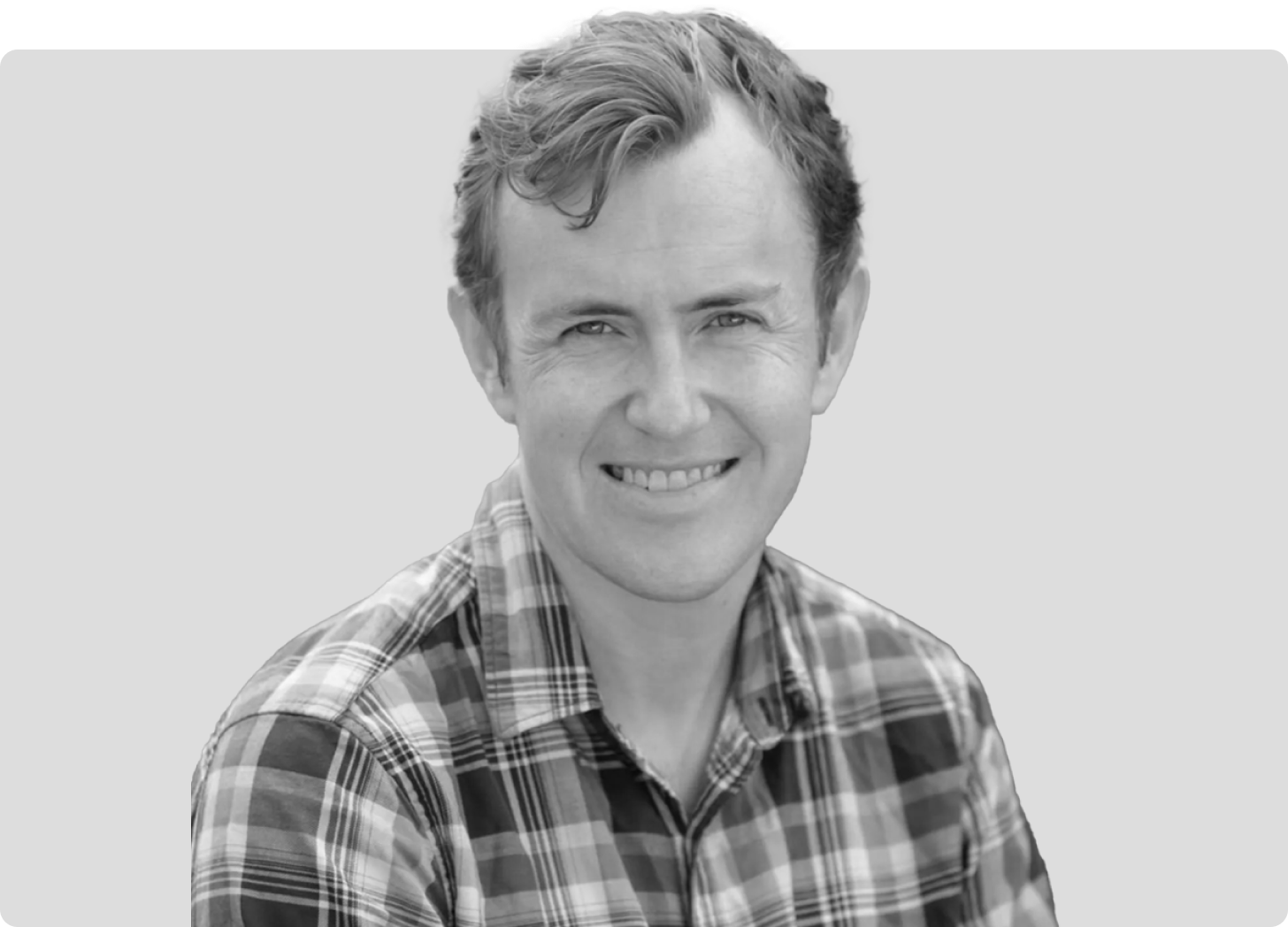
Edwin Kite is a planetary scientist working on habitability across our solar system and beyond. As an associate professor at the University of Chicago and participating scientist on the Mars Curiosity rover, he combines computer modeling, spacecraft data analysis (Mars orbiters and space telescopes), rover operations, and terrestrial analog fieldwork. Originally from London, Edwin holds undergraduate degrees from the University of Cambridge and a PhD from UC Berkeley, and has held previous roles as O.K. Earl Fellow at Caltech and Hess Fellow at Princeton.
Project description
We don’t know what our future in space will look like. Perhaps we’ll leave the planets as wildernesses and live in large space stations. Or perhaps we’ll adapt lifeless worlds to be more suitable for life. While the cost of access to space is falling rapidly, surprisingly little research has been done on Mars terraforming since the pioneering work of Carl Sagan and Chris McKay. For Mars, warming the surface is a necessary first step in making it suitable for life. Kite’s team will investigate novel methods for warming Mars, exploring the fundamental physical constraints that will shape future decisions about the planet. The aim is to identify critical measurements needed for informed decision-making, accelerate technical progress, and grow an interdisciplinary research community.
Learn more: Feasibility of keeping Mars warm with nanoparticles

Erika DeBenedictis – Designing life for Mars
Erika is a former astronomer and current synthetic biologist. As an undergraduate at Caltech, Erika worked on topics in computational physics including space mission orbit design at NASA and computational protein design at D. E. Shaw Research. Erika worked with Kevin Esvelt at MIT during her PhD, where she used laboratory automation to tackle problems in synthetic biology. She led an academic lab at the Francis Crick Institute in London, UK focused on using Robotics-Accelerated Evolution to push the limits of biotech for use on Earth and in Space. In 2021 she founded Align to Innovate, a nonprofit improving the reproducibility, scalability, and shareability of life science research with programmable experiments. Erika is now the CEO of Pioneer Labs, a nonprofit that engineers microbes for Mars.
Project description
Biology is the ultimate green technology, capable of upcycling waste into food, water, and air: all the essentials for human life. However, today it is too unreliable, untested, and wasteful to be a mission-critical technology. That’s why Pioneer Labs is engineering hardy critters that perform gracefully even in the extreme conditions of space. Pioneer Labs engineers microbes that the first astronauts will use on Mars to upcycle waste into essentials like food, therapeutics, and building materials. By doing so, they aim to make biomanufacturing ubiquitous, reliable, and green — on Earth and beyond.
Learn more: Polyextremophile engineering: a review of organisms that push the limits of life
Open roles: Computational Biologist

Rachel Dutton – Accessing the health benefits of fermented foods
Rachel is a microbiologist and leader in the study of fermented food microbiomes. Originally trained as a bacterial geneticist with Jonathan Beckwith at Harvard Medical School, she pioneered the use of fermented foods like cheese as simplified microbial ecosystems to help reveal how more complex microbiomes work. As a Bauer Fellow at Harvard University and then a Professor of Biological Sciences at UC San Diego, she led research to grow microbiomes in the lab and probe how microbes interact and evolve within communities. Rachel moved to Arcadia Science in 2022 to build new models for doing science, and continues to build towards expanding our understanding of fermented foods at Astera.
Project description
Humans have co-evolved alongside fermentation, and fermented foods offer profound health benefits for the gut and immune system. Rachel’s research focuses on making these benefits more accessible by uncovering how microbes and their byproducts support human health, such as reducing chronic inflammation. By mapping the connections between microbial species, their metabolites, and health benefits, her work lays the foundation for developing next-generation functional foods. The open-source datasets generated through this research aim to accelerate discovery across academia and industry, helping to democratize knowledge and transform how fermented foods are used for preventative health.
Learn more: Building Scientific and Microbial Communities

Thomas Teisberg – Modeling the earth’s ice sheets
Thomas Teisberg is an engineer and radio glaciologist, developing open-source tools for data collection and modeling of the Earth’s ice sheets. He recently finished his Ph.D. in Electrical Engineering with the Stanford Radio Glaciology group, where he developed open-source ice-penetrating radar systems and explored scientific applications of automated airborne radar surveys. With previous work ranging from radar systems for self-driving cars to acoustic sensing systems for Zipline’s medical supply delivery UAVs, Thomas has planned and participated in two field seasons of testing UAV-borne radar systems in Greenland, as well as participating in fieldwork on glaciers in Svalbard and Iceland. He was the recipient of a NASA FINESST grant, as well as being a TomKat Graduate Fellow, a Stanford Data Science Scholar, and a Stanford Human-Centered Artificial Intelligence (HAI) Graduate Fellow. Thomas also developed and maintains radarfilm.studio, an open-source data portal for the first-ever continent-scale radar surveys of the Antarctic and Greenland ice sheets.
Project description
Ice sheet models are crucial numerical simulation tools used to understand the internal dynamics and future state of the Greenland and Antarctic Ice Sheets, providing future projections of Earth’s ice sheets that are a core component of predicting sea level rise. These models link many levels of cryospheric, atmospheric, and ocean sciences, but technical challenges restrict who can practically run and reproduce state-of-the-art models. Even as large-scale computational resources have become more widely available, the complexity of porting tools between systems, the lack of common dataset descriptions, the reliance on initialization know-how, and other challenges have continued to limit the reproducibility and accessibility of large-scale ice sheet models, creating roadblocks to other kinds of much-needed research.
This project aims to break down technical barriers to ice sheet model reproducibility, helping to pave the way to better incorporation of observational data and open interdisciplinary research. It aims to tackle both the technical challenges, building tools and documentation to make sharing models easier, and the non-technical challenges, working with academic partners to produce examples and best practices for reproducible research.
What microbes can do
Microbes have fundamentally shaped our bodies, our environment, and our understanding of biology. As a window into living systems, they provide a huge amount of taxonomic diversity while being just simple and tractable enough for generating data and insights at high throughput. Microbes underpin our basic tools for understanding molecular biology and drive applications in domains from agriculture to drug discovery, biomanufacturing, biosecurity, and human health. Despite this impact, we have only experimentally studied less than 0.001% of extant microbial species to date.
The paucity of publicly available genotypic and phenotypic data for diverse microbial species—which make up 95% of all biological diversity on Earth—has likewise been a major bottleneck for advancement of machine learning models useful for predicting biological functions and advancing biotechnological applications. To fully realize the potential impact of microbes and machine learning in biology, we need better ways to extract information across a broader swath of microbial species and better public datasets for training predictive models.
The need for data
Predictive models of microbial function are increasingly critical for new research and development in life science and biotechnology. Beyond protein structure data, high quality training data on biological function remains a critical bottleneck limiting progress in applications of AI in biology.
We want to fill this gap. Astera’s Data group is launching a new project to generate and publish rich microbial datasets, both across application domains and across the tree of life. We aim to create public datasets from next-generation sequencing, multi-omics, and high-dimensional phenotyping to enable modellers and researchers seeking to understand microbes through machine learning.
The project will comprise four iterative phases, some of which will overlap with each other:
- First, we are publishing this RFI, with responses due February 24 2025, where we seek out domain experts in machine learning to contribute requirements for valuable data. We will prioritize submissions entered by the deadline.
- Second, from those who contributed information to this call, we will form a user group to provide input on key products such as laboratory protocols, computational workflows, and data publication methods. In this phase we will also begin phylogenomic analysis to identify microbes for scaled data generation.
- Third, we will work with our user group and other data users to test the methods and generate data on microbes identified in the RFI.
- Fourth, we will work with contract research laboratories to begin large-scale data generation and publication against phylogenomic parameters.

Calling all data users
In order to create data that is of use right away, we are calling for information to support the creation of key requirements for this Astera-funded data generation effort. What species of bacteria, archaea, or protists would be most valuable and informative for you, the users of these datasets? What types, specifications, and requirements do your models have for training data? What metadata is required or beneficial? Would you be willing to join a user group in advance of data generation?
Your submissions will help guide our dedicated investment, select initial targets, and guide long-term prioritization. The first species and data types we generate will be chosen based on the requirements we gather from submissions to this RFI.
Supporting iterative public data generation at scale
All data will be placed in the public domain upon validation, and deposited in FAIR databases of record when available. Astera will provide data engineering and informatics resources to support data linkage and computational analysis. Microbes selected for analysis and data generation will also be available for order from a repository.
We expect to iterate and adapt on both microbe selection and data types as data generation gets underway, teaching us what’s informative for both basic science and applied science. Protocols, workflows, and data deposit methods will be version controlled and publicly available so that other laboratories can re-run data generation locally, generate foundational data on unprofiled microbes, and extend data available on profiled microbes.
For each microbe, we aim to generate data that supports machine learning, and request information on data types most informative to that goal (both at the per-microbe level and across a dataset of thousands of microbes). Specific examples could include types of sequencing platforms or approaches, relative preference of transcriptomics/proteomics/metabolomics (and assay preferences within those fields), types of mass spectroscopy, emergent or novel high-throughput phenotyping approaches, and which phenotypic information is most broadly useful (ranging from molecular scale properties to complex behavior). Specific examples of how these data might support machine learning, or how their absence is restraining current models, are welcome.
Impact across applications
Microbes are critical in biotechnology and impact human, plant, animal, and environmental health in myriad ways. We are eager to support model builders with microbial genotype and phenotype data that will have direct impact in translation. The clusters of data we generate around microbes in a specific scientific domain would then map into our ongoing phylogenomic selection of microbes. We are interested in any domain that will have direct scientific or engineering benefit and in particular, we envision drawing on the perspectives from experts working in:
- Drug Discovery: Which microbial (bacterial, archaeal, or protist) species are most relevant targets for discovery of natural products with important medicinal properties? What data types are most relevant for understanding functional properties of potential drugs, including peptides or secondary metabolites?
- Soil Chemistry: Which soil microbes are most valuable to characterize for understanding and influencing soil ecosystem function for addressing climate impacts in agriculture and the environment? What -omics data types are most valuable for modeling these systems?
- Antimicrobial Resistance: Which microbial pathogens are most relevant for human health and have the highest risk from antibiotic/antifungal resistance? What are the data types critical for understanding and addressing the evolution and spread of antibiotic resistance?
- Synthetic Biology & Biomanufacturing: What microbial species are most useful as chassis for the manufacturing of small molecule or protein products? What data types allow modeling of engineered metabolic and genetic pathways, protein production or secretion rates?
- Basic Science: What basic science research areas are neglected in biology and how could these topics be addressed through microbial studies?
- Other domains: If you don’t see your domain – or your questions – listed here, please tell us in your response!
Given that it may not be possible to know specific lists of microbes without a rational approach to sourcing, you can also feel free to respond in free text — which microbes are you particularly interested in these or other domains, and why?
Response format
We are interested in short responses of 2-3 pages – this should not be a lengthy exercise that consumes enormous amounts of your time. But we do have some specific areas we hope you explore in your answer.
For your domain, please consider providing:
- Priority list of microbial species with justification
- Ranked importance of specific data types (feel free to specify down to machine, e.g. Novaseq or Ion Torrent, specific types of mass spec, file formats)
- Brief description of your modeling experience with these organisms and data types
- Sense of your background in the domain, experience with microbial -omics machine learning, experience with multi-omics data integration
- Indication of your willingness to join a small working group of data users as we develop our laboratory protocols, data engineering approach, and computational workflows
Our advisors
This project is supported by scientific advisors including Prachee Avasthi, Seemay Chou, and Jonathan Eisen.
Submission timeline and process
We’ll begin reviewing submissions on February 24, prioritizing submissions made by that deadline. Please submit your responses through this form. We’ll get back to you before the start of the next phase, in mid-March. We look forward to working with you!
Applications are now closed for Astera’s first residency cohort. Please check back for future calls.
Astera’s first Residency cohort
Today, Astera is opening a call for its first major science residency program, a one-year, fully funded program centered on the creation of public goods. Over the course of the next 12 months, we expect to invite approximately 20 residents to join us in Emeryville, California, where we are building a hub for open science, data and technology. We will provide residents a salary of $125,000-$250,000, commensurate with experience, to explore an important problem of their choosing, along with the opportunity to pitch an additional budget for a team and other operational expenses; a chance to pitch us and others in our network for longer-term, larger-scale support; and access to substantial compute and programmatic resources (see details below).
We believe that openness is the key to faster, cheaper, and better innovation, and that many public goods with the potential to broadly increase human flourishing are systematically under-produced by government, academia, and markets. We want to help address these gaps by seeding and supporting a vibrant ecosystem of mission-driven, open projects that can catalyze further private- and public-sector advancements. We are looking for creative, high-agency scientists, engineers and entrepreneurs who are passionate about reducing the barriers to progress within and across domains.
About Astera’s residency program
The central organizing principle of Astera’s program is an unwavering commitment to leveraging open science and non-proprietary technology for the public benefit. We recognize that not all problems can be addressed by the creation of public goods, and not all projects can be scaled without proprietary IP. With our residency program, we are choosing to focus on the aspects or stages of the vast set of problems facing humanity that can be addressed by such means.
Key constraints for our residencies include:
- Open-first: Projects must yield public (open, accessible, nonproprietary) products and research that are unlikely to be created otherwise.
- High-impact: They must have line of sight to generating positive impact on a societal scale (though additional years of work and funding might be necessary). We particularly like projects that have the potential to catalyze government or market funding in new directions.
- “No secret sauce”: Residents must be enthusiastic about openness not only on the project level but on the metascience level. This means speeding up re-use and making it easy for others to learn both positive and negative lessons from their work.
- Future-focused: Our view is that we are approaching a technological discontinuity, and we prefer projects that will leverage the resulting opportunities or create new ones.
We want to provide talented people freedom and support to create new pieces of the machinery of science that are adapted to the era of advanced technology that we’re entering. This includes non-proprietary infrastructure, tools, standards, hardware, software, or wetware, as well as pre-commercial fundamental research that can enable progress across a field.
We are unusually agnostic to the kinds of outputs residents choose to pursue: A resident might graduate with a ready-to-launch nonprofit or for-profit company, a more technical de-risked plan for a larger initiative they’d like to pursue, a dataset that critically enables a larger community, or a completed open-source product.
Some examples of people that would make great Astera residents (not exhaustive!):
- Previous or future start-up founders that want to pursue enabling basic science outside of academia
- Staff scientists in academia who love building tools and want to do it in a place where this is supported as a priority
- Scientists that have compelling ideas for datasets that would catalyze frontier research without immediate profit potential
We view the opportunity here as one to use open science (in its broadest sense) to drive greater impact than closed science. We intend to focus our support on projects that, if successful, could result in a significant benefit to scientific research or technological development – in speed, cost or quality – beyond the resident’s own project.
What we’re looking for
We are interested in funding ideas where we can see the additional value of our support as compared to academia and industry. Sometimes this will mean supporting projects in underfunded domains; other times it will mean funding stages of research that are not well addressed by existing funders. By contrast, we are less excited about funding areas of research that are already heavily resourced or that are difficult to scale to significant impact.
We are excited to consider applications across a wide range of domains, from metascience to infectious disease to materials science to robotics to energy. We’re including here a few illustrative examples of the types of projects that might be suitable for a residency, along with counterexamples of projects we would not be interested in, in the hope that they will spark ideas in disparate subject matter areas. (We are not soliciting proposals on these specific topics!)
Scientific research example area: Approaches and products designed to help overcome synthetic biology scaling challenges
- Development of new, promising organismal chasses for biomanufacturing
- Engineering of novel fermentation or growth scaling approaches
- Biological research on extremophiles that could be useful for specific applications like biomanufacturing and drug storage
- Counterexample (less interested): proof-of-concept basic protein design work not tethered to impactful application (already well funded)
Data science example area: Tools to accelerate the creation or use of of large open datasets to underpin ML
- ML-based approaches to assist and accelerate the curation of data and methods from research literature and generalist data repositories to yield data in formats consumable by machine learning models
- FLOSS software workspaces, workflows, and analytic methods that would allow scientists to rapidly bootstrap large, public data sets to create new knowledge (bonus points for playing well with Dockstore and using existing community standard workflow languages)
- Counterexamples (less interested): analyzing a specific data set or building a specific ML model; data science software tied to inherently closed infrastructures
Metascience example area: Tools to ensure rigor in scientific publishing
- Image analysis software that uses ML to detect manipulated images, potentially to be integrated into automated review processes
- Automated tools to review methods and results in papers to flag potential p-hacking, inappropriate statistical tests, and data inconsistencies
- Counterexample (less interested): paying a team of individuals to catch mistakes or fraud in data (not scalable)
What we’re offering to residents
The opportunity for residents includes:
- a salary for one year ($125,000-$250,000, commensurate with experience) to investigate an important problem and potential solutions
- the opportunity to pitch an additional budget for a team and to cover other expenses (e.g. lab, infrastructure, licenses)
- access to substantial compute resources via Voltage Park, a 24,000x H100 cluster
- the opportunity to pitch us on longer-term, larger-scale support following the end of a residency, as well as access to our substantial fundraising networks
- the chance to join a community of exceptionally talented individuals operating in an environment optimized for experimentation, collaboration, and the pursuit of ambitious projects for the benefit of humanity
This program differs substantially from other fellowships and EIRs in giving residents the opportunity to explore foundational research or create public goods that can unlock opportunity areas outside of academia, without an immediate need to translate that research into a profitable product. Provided that everything produced during the course of a residency is open, Astera is unusual in being enthusiastic to support projects at a stage when it is unclear whether they will later turn into nonprofit organizations or for-profit companies, or just become one-off artifacts and goods that exist in the public domain. And we have mechanisms and funding by which we can opt to support all such types of projects after the end of the residency term.
Because our support is intended to promote the creation of public goods for science and technology, it doesn’t come with ordinary strings attached: Astera will not take equity in projects that spin out of the residency in exchange for our financial support (although we may ask for follow-on investment rights). On the flip side, residents will be required to assign to Astera any IP generated during the course of their residency, which Astera will make freely and publicly accessible.
What’s expected of residents
Accountability and performance: Residents will be expected to report out periodically on their progress; however, we encourage residents to structure their own relevant milestones and report-outs to relevant audiences as needed to remain accountable and to get the feedback they need.
Presence in Emeryville, CA: We hope the Astera residency program will serve as a center of gravity for an ecosystem of open science and technology. In order to grow this community, we will require residents to work out of our office in Emeryville, California. We will provide funding and support for relocation and can sponsor visas for international applicants.
Commitment to open science: Residents will be expected to make their final products and key learnings along the way accessible to the public in usable formats that are relevant to the domain. Published deliverables (including null and negative results) should be on accessible platforms; software should be open source; and data should be publicly available and formatted for external use.
Application process
Ideal candidates are high-agency creators with the ability to identify and tackle challenges needed to conduct a novel program of fundamental research or to launch a tool, service, or platform to address the needs of an identifiable user base. We want to identify collaborative candidates who are eager to help improve and scale science beyond traditional academic communities.
We are sector-agnostic, accepting applications across a wide range of scientific disciplines, as long as the proposed project aligns with our mission to steer science and technology toward an abundant future for all via the creation of public goods.
We expect strong applicants to fall along a continuum between:
- Individuals with a compelling history of entrepreneurial and scientific achievement that have identified a problem area and a rough direction to explore, which may be earlier in development
- Individuals with less history of entrepreneurship who have mature proposals for compelling projects
This means that high-agency applicants with a track record of executing on ambitious projects are welcome to apply with a relatively undeveloped project idea which is understood to be subject to significant change.
Residents will be selected for a combination of personal fit, their project’s potential for impact, and Astera’s ability to support them in ways other funders will not. We expect to invite approximately 1/4 of applicants to an initial interview based on their written applications, which will in most cases be followed by a technical review by domain experts for those who continue to the next round. We may ask for additional written materials at this stage.
We will guarantee consideration of any applications submitted by November 22 for our inaugural cohort (with start dates in 1Q2025). We will consider applications submitted after that date on a first-come basis until we have filled the cohort. If this page remains active, the call remains open.
To Apply
Apply here. Please make sure to attach a resume and completely answer the application form (see preview below).
All questions other than the first one have a 1000-character limit. If you don’t know the answer to a question or it doesn’t seem applicable to your circumstances, say that. Aim for clear, concise answers – bullet points are fine.
- Describe the problem you expect your residency to focus on and your proposed solution or direction for identifying a solution. Aim for a level of explanation that a smart college freshman could understand. (3000 characters max)
- Why did you pick this problem to work on?
- What’s novel about it?
- What assumptions about the future of science and technology are baked into your proposal?
- What are the ways in which those assumptions are most likely to be wrong?
- Why isn’t this problem likely to be adequately addressed (at this stage) by academia, government, or industry?
- Who do you envision using your residency’s outputs, and how?
- How long have you been thinking about this problem?
- How much progress have you made on it?
- Do you have a history of involvement in open science or open-source projects?
- How have you dealt with mistakes or failures in the past?
- Have you ever failed at something significant in a public way?
- What is the most impressive (by your own judgment) thing you’ve ever done that would not be obvious from your LinkedIn?
- What gets you out of bed in the morning?
- What is the most exciting scientific or technical problem to you other than the one you described above?
Please confirm that you are located in the Bay Area or willing to relocate if selected for this program.